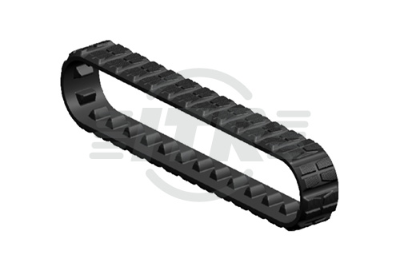
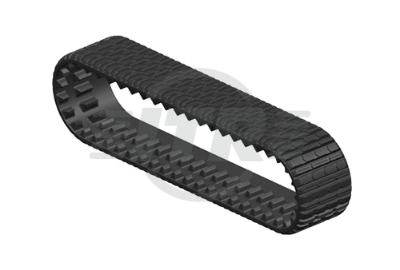
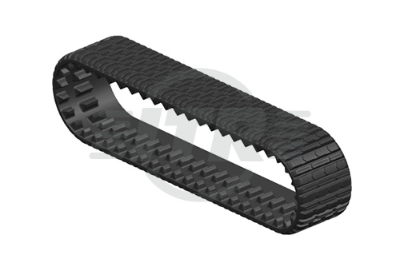
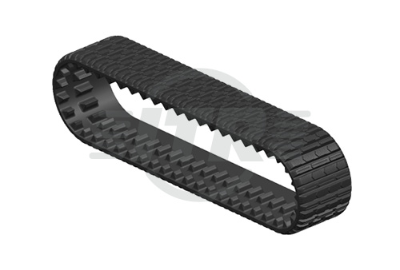
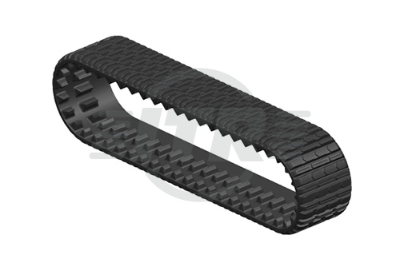
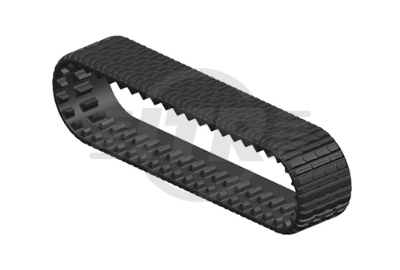
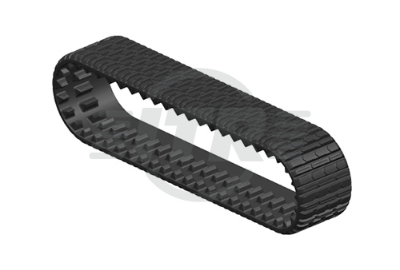
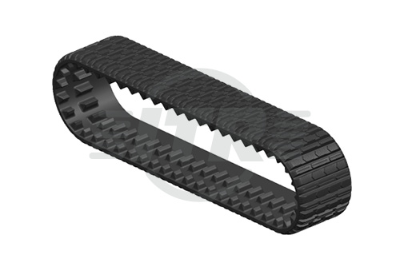
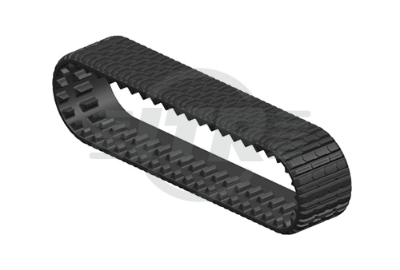
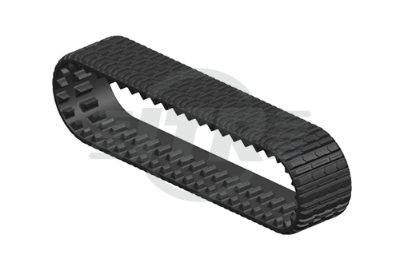
ITR is a global supplier of a wide range of rubber tracks for Multi Terrain Loader (MTL) or Posi in the small and mini construction sector. All tracks are a direct replacement for ASV, Terex and Caterpillar.
The correct rubber compound, premium quality and high tensile steel cables produce a rubber track that results in better comfort, less noise and vibration and an extended wear resistance. This means a cost-effective solution for all applications. Suitable for earthmoving, landscaping, trenching and demolition.
Our unrivalled team of industry experts are committed to giving the correct advice and after sales service. Give us a call if you need your new ITR Rubber Tracks installed or delivered.
A. ITR rubber tracks are covered by a 24-month warranty for excavators and a 12-month warranty for compact track loaders, multi-terrain loaders and other specialist equipment. For specific warranty terms and conditions with examples of particular faults our guide is a great resource and can be found here - Rubber Track Warranty Brochure
A. ITR Pacific has branches in Adelaide, Brisbane, Sydney, Melbourne, Perth, Mackay and Kalgoorlie where rubber tracks can be collected.
A. Travel time varies depending on the location, but due to ITR’s national footprint of branches, we can ship most parts including rubber tracks within 1-2 business days using standard or express road freight. More remote locations such as Far North QLD or Northern WA within 3-5 business days.
A. Rubber track life depends on operating conditions including ground surface, machine weight, application, operator technique and maintenance. Asphalt, rock and other abrasive surfaces can accelerate wear and reduce service life. As a general guide, excavator tracks typically last 1,500–3,000 hours, compact track loader tracks 600–1,200 hours, and multi-terrain loader tracks 1,100–2,000 hours.
A. The ITR team can usually identify the correct rubber track size using the machine make and model. For less common machines, or machines with missing identification marks, check the inside of the rubber track for a size stamp such as 400 x 72.5KW x 74. This may be shown as width x pitch x links or width x links x pitch.
A. The most obvious differences are price and warranty. ITR Pacific offers a leading warranty across all rubber track types, often providing twice the warranty period of OEM brands. Based on track life comparisons, excavator tracks often show little to no benefit from using OEM rubber tracks. For compact track loaders, top-tier OEM brands may achieve around 15–20% more hours on average. However, because some OEM tracks can cost 40–45% more, their cost per hour can still be higher if they do not deliver a matching increase in service life.
A. Small cuts and tears may be repairable if the internal cable or belts are not visible. A vulcanising adhesive such as SC2000 may be used for minor repairs. Tracks with visible internal cables, cording, cuts, tears or splits will usually need to be replaced.
A. Assuming you are using are good quality rubber track, often it is external factors such as the condition of undercarriage condition, in particular sprockets for CTL machines. Also, how or where the machine is operating effect track life - common examples are rough, sharp surfaces are naturally more prone to cutting tracks or walking tracks through building debris, sand or ignoring mud building up in the undercarriage often leads to undercarriage packing, resulting in a snapped track.
A. There are multiple signs a rubber track is needing replacing which can include - Cuts that expose the internal cables. If a track has little to no tread left. If the track has been in use for a while and ozone cracking (small shallow cracks appearing across the track). Steal cleats are loose or have fallen out of the track. If you are unsure, our experienced team can help assess rubber track condition in person or remotely.
A. When storing rubber tracks for long periods of time, its best they are kept indoors and out of the elements, in particular the sun and laid flat or on their side. If you are short on space, they can be folded for 6-12 months with little risk. However, if you plan to keep a track in storage longer then 12 months, you should refold and move the track into a new position to avoid damage or the track forming a memory. The longer a track is stored, the more the rubber will become brittle, reducing its usable life and reliability.
A. Always refer to the machine operation or maintenance manual first, as it should include instructions specific to your machine. For Multi-Terrain Loaders or Posi-Tracks, such as ASV or Terex models, follow the manual procedure carefully. If you cannot locate a manual, contact the ITR team and we may be able to help supply one.
General Removal Steps
For most excavators and compact track loaders, the basic process is similar:
1. Raise the side of the machine using the boom, blade or other approved lifting method.
2. Safely supports the machine with suitable jacks or stands before working on the track.
3. Release the track tension through the track adjuster.
4. Push the idler back as far as possible, where applicable.
5. Remove the track, starting from the idler end and then working it off the sprocket.
General installation steps
To install the new track, reverse the removal process. Once fitted, make sure all grease fittings and related components are securely fastened. Adjust the track tension so there is approximately 25mm of slack between the bottom rollers or follow the manufacturer’s specification if it differs.
A. If you break a track within the first 60 days of the invoice date, ITR Pacific has a 60 day ‘No Worry Warranty’ which offers complete replacement regardless of the cause of the breakage. If you are outside the 60 days, our standard warranty applies. For examples of warrantable and non-warrantable breakages check out our warranty brochure here - Rubber Track Warranty Brochure
A. ITR rubber tracks use application-specific compounds designed to suit different machine types and operating conditions. Each compound contains a blend of natural rubber, synthetic rubber and other materials selected to deliver the best possible performance for that application.
Why this matters
This is a key difference between ITR rubber tracks and some other brands, which may use one compound across their entire range regardless of application.
Important note on “100% natural rubber” claims
If a supplier claims their rubber tracks are made from “100% virgin” or “100% natural” rubber only, treat this with caution. Rubber tracks are not manufactured from natural rubber alone; they require a specific blend of materials to achieve the required strength, flexibility and durability.